If you live in an older home in Hastings, Napier, or anywhere around Hawke’s Bay, there’s a type of plumbing that can quietly cause big problems — Dux Quest.
Most homeowners don’t realise they have it until something goes wrong. A sudden leak. Water damage behind a wall. Or a plumber turns up for a “small job” and flags a bigger risk hiding in the pipework.
This article isn’t here to scare you — it’s here to explain what Dux Quest plumbing is, why it fails, and when it becomes an emergency, so you can make informed decisions before you’re dealing with water everywhere.
What Is Dux Quest Plumbing?
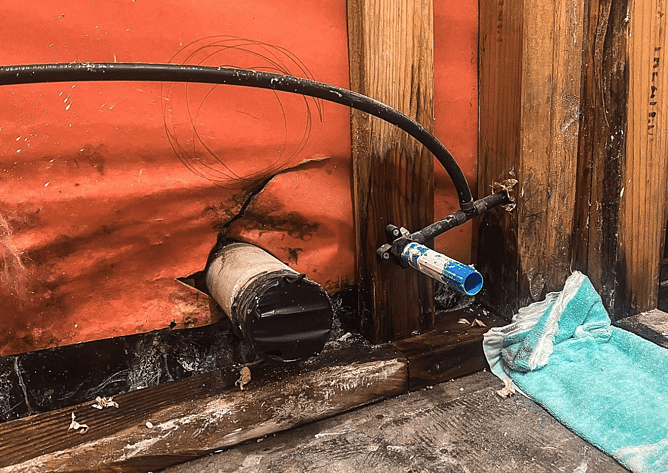
Dux Quest (sometimes written as Dux Qest) is an early plastic plumbing pipe system that was commonly installed in New Zealand homes during the 1970s and 1980s as an alternative to copper.
At the time, it was seen as a modern solution. Decades later, it’s proven to be one of the most failure-prone pipe systems still found in NZ homes.
In Hawke’s Bay, we regularly come across Dux Quest in houses built or renovated during that era, where a lot of housing stock dates back to the 70s and 80s.
How to Tell If Your Home Has Dux Quest Pipes
Dux Quest is often hidden behind walls or ceilings, but there are some common signs:
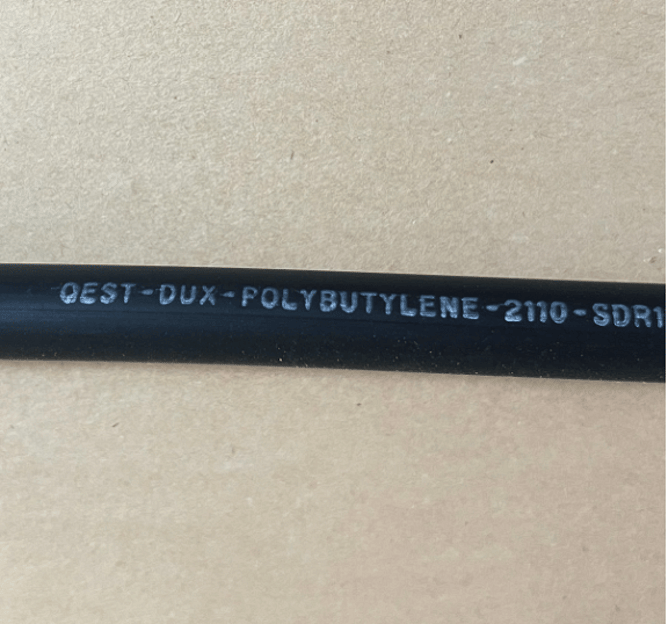
Black plastic pipes with white lettering (the writing may be faded)
A home built or renovated between the 1970s and mid-1980s
A history of repeated plumbing repairs or unexplained leaks
Pressure issues that seem to come and go
If you’re unsure, a plumber can usually identify it fairly quickly without tearing your house apart.
Why Dux Quest Is a Real Risk in Hawke’s Bay Homes
The biggest issue with Dux Quest isn’t just age — it’s how it fails.
Dux Quest is made from a plastic called polybutylene. Over decades, chlorine in household water reacts with this material, causing tiny cracks to form inside the pipe walls. These micro-fractures weaken the pipe and make joints especially prone to sudden failure.
These pipes tend to leak or burst at joints and elbows, often without warning. In many cases, leaks develop slowly inside walls or ceilings before becoming obvious.
In older Hawke’s Bay homes, this can lead to:
water damage to framing and gib
mould and damp issues
damage to flooring and cabinetry
sudden emergency call-outs when a pipe finally gives way
We often see people fix one failed section, only to have another part fail months later. Once Dux Quest starts breaking down, it rarely stops at a single leak.
Dux Quest Plumbing and Insurance Issues
Insurance is one of the biggest concerns with Dux Quest.
Some insurers:
limit cover to the first leak only
exclude future water damage related to Dux Quest
require full replacement before continuing cover
Policies vary, but we regularly see homeowners caught off guard when a second leak isn’t covered.
If your home still has Dux Quest, it’s worth checking your policy wording carefully — or talking to both your insurer and a plumber before problems arise.
Repair vs Replacement: What Actually Makes Sense?
Technically, individual leaks can sometimes be repaired. The problem is reliability.
Patch repairs often create a mix of old and new pipe materials, which can:
increase stress on remaining Dux Quest sections
cause uneven pressure
lead to repeated failures in different areas of the house
In most cases, full replacement is the safer long-term option — especially once leaks have started.
How Dux Quest Replacement Is Usually Done
Replacing Dux Quest doesn’t always mean ripping your house apart.
A good approach focuses on:
using ceiling spaces, underfloor areas, or hot water cupboards
minimising wall and floor removal
replacing pipes in logical zones rather than piecemeal
In many homes, only small sections of wall lining need to be opened — which can be patched and finished easily once plumbing work is complete.
Typical Cost to Replace Dux Quest Plumbing
Costs vary depending on house size, layout, and access, but as a general guide:
Smaller homes: often in the $4,000–$8,000 range
Larger or multi-storey homes: $8,000–$15,000+
While this feels significant, many homeowners find it cheaper than repeated emergency repairs, insurance issues, and ongoing damage.
If you’re buying a house with Dux Quest plumbing, this is also something worth factoring into negotiations.
When Dux Quest Turns Into a Plumbing Emergency
Dux Quest failures often escalate quickly.
Call a plumber urgently if you notice:
sudden drops in water pressure
water stains appearing on ceilings or walls
unexplained damp smells
visible leaks near joints or pipe bends
If a pipe bursts, turn off the water at the mains immediately and keep power away from wet areas until help arrives.
Planning Renovations? This Is the Time to Deal With It
If you’re already opening walls for a bathroom or kitchen renovation, it’s often the smartest time to replace Dux Quest piping.
Doing both together can:
reduce labour costs
avoid future disruption
improve water pressure and reliability
remove a known risk before it causes damage
Many homeowners choose to future-proof their house during renovations rather than waiting for the next leak.
Final Thoughts
Dux Quest plumbing is one of those issues that stays hidden — until it doesn’t.
If your home was built or renovated in the 70s or 80s, it’s worth finding out what pipework you have. Catching Dux Quest early can save a lot of stress, cost, and damage later on.
If you’re unsure what’s in your walls, a quick assessment is often all it takes to get clarity and plan your next steps.
Need advice on older plumbing in Hawke’s Bay?
If you’re dealing with leaks, suspect older pipework, or just want clarity, APlus Plumbing & Gas services Hastings, Napier, and the wider Hawke’s Bay region. We’re happy to talk things through and give straight answers — no pressure, no jargon.